Following the Trail Forward
On transitions, legacy, and wrestling with how we honor the past while building something meaningful
Learning from Those Who Came Before
Last week I shared the story of my ancestor David Cross—”Uncle Davey”—who lived from 1779 to 1876 and became known for his connection to a late governor who lived in Howard County. This week, as I’ve wrestled with my own discomfort after that vulnerable post, I keep thinking about the life transitions my great-grandfather’s grandfather navigated over his nearly century-long life.

What must it have been like to navigate such dramatic social changes while building a life that resulted in five children, seventeen grandchildren, and six great-grandchildren? How did he maintain his dignity through decades of transformation while creating a lasting family legacy?
I find myself wondering what David Cross would think about my current anxiety over sharing family stories publicly—my worry that vulnerability might limit business opportunities. Here was a man who lived through dramatic social upheaval and shifts in how society perceived his value, yet I imagine his heart, mind, and faith remained steady.
But I also wrestle with a harder question: Are my choices truly honoring this man, or am I using his story in ways that could inadvertently harm the very work I want to support?
The Complexity of Sharing Our Stories
Here’s my honest struggle: I’m afraid that sharing David Cross’s story of resilience and achievement might be misused by those who want to minimize the ongoing impacts of slavery’s legacy. In our current climate, any story of survival or success can be weaponized by bad-faith arguments that suggest “people should just work harder” or, worse, that slavery had any acceptable aspects.
This is the trap of our polarized time—everything becomes political, even when your intentions are purely about family history and personal growth. I don’t want his remarkable life to become ammunition for those who refuse to acknowledge the systemic barriers and ongoing trauma that slavery’s legacy created.
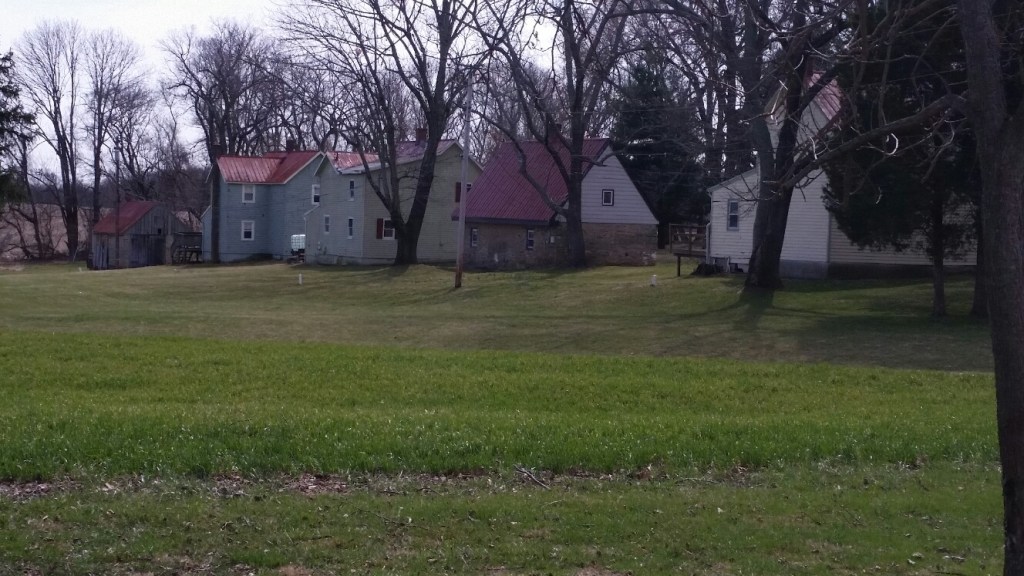
Yet if I don’t share his story, I risk letting his legacy disappear entirely. Thanks to my father’s meticulous genealogical research, David Cross’s story is documented history, not just family legend. I’m learning to value the stories I’ve gained as a human being in today’s world—stories made possible by the progress I fear my honoring might be used to speak against. My life is a testament to the beauty of America’s promise, and that’s all I aim to contribute.
I want to open up a conversation about returning to a country that values my family’s story—not to alter it or glorify the darkness, but to see the light that comes from growth. And that light doesn’t come just from David Cross. It comes from my maternal grandmother’s great-grandfather, William Henry Gaunt. From the pioneers in my husband’s family. From every client I have the gift to work with, building on what my father and so many before him fostered for me.
I’m documenting the beauty in the expansive vision I see for community—a local space where we can show the complex nature of all our histories without shame.
The Mirror of Our Own Behavior
I find myself caught between contradictory expectations: speak up, but not too loud; be authentic, but not too honest. Live unapologetically out loud, but also remain conservatively approachable—don’t get in anyone’s face or make any group feel left out or attacked by your authentic approach.
It’s hard to navigate this elusive space, similar to what I talked about last week—being always “on” while also being okay when we’re “off” because we’re in community with people who give us grace. Do the people we love extend this same grace to those they don’t know? Or worse, are there power dynamics at play that control whose side has value and weight, and which voices get dismissed as young, emotional, uninformed, or irrational?
When I’m watching a beaver cruise across morning water instead of filming content for social media, I’m reminded that there’s profound beauty in unhurried, authentic observation. I’m grateful for the gift of wonder, even if only I witness it.
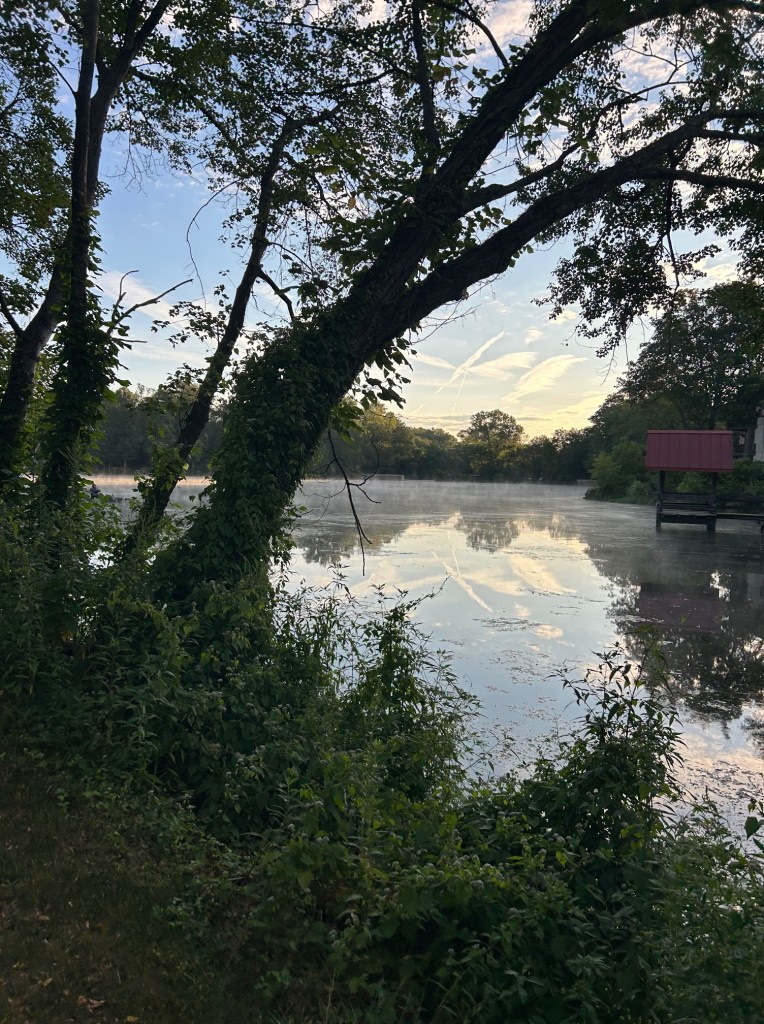
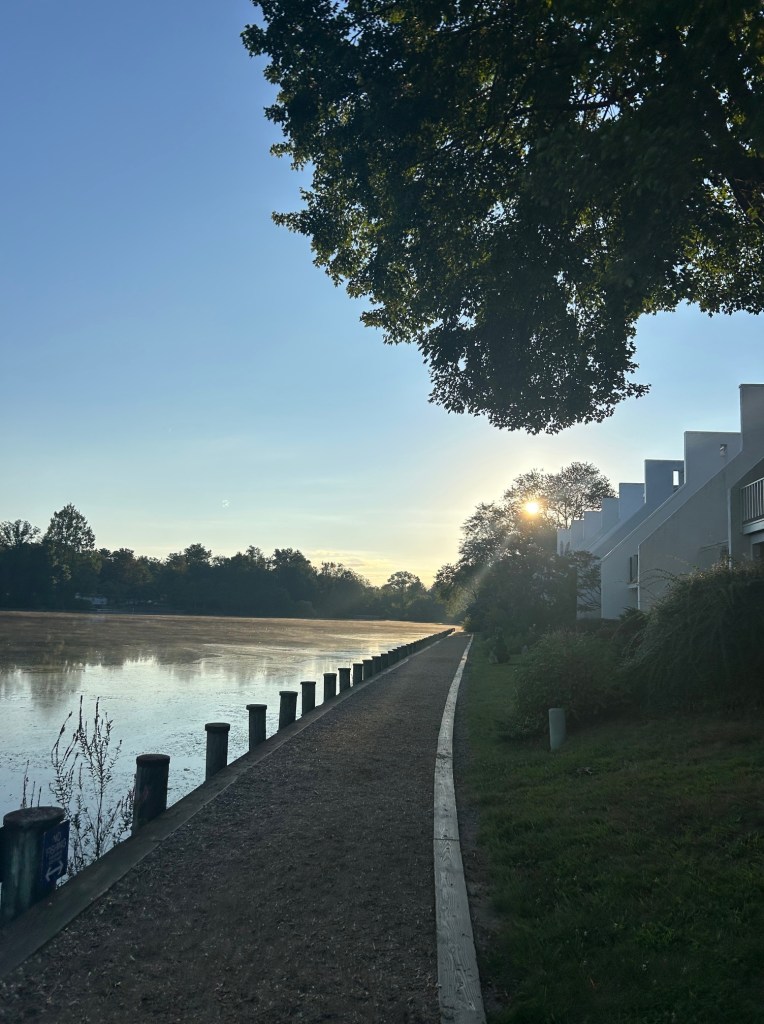
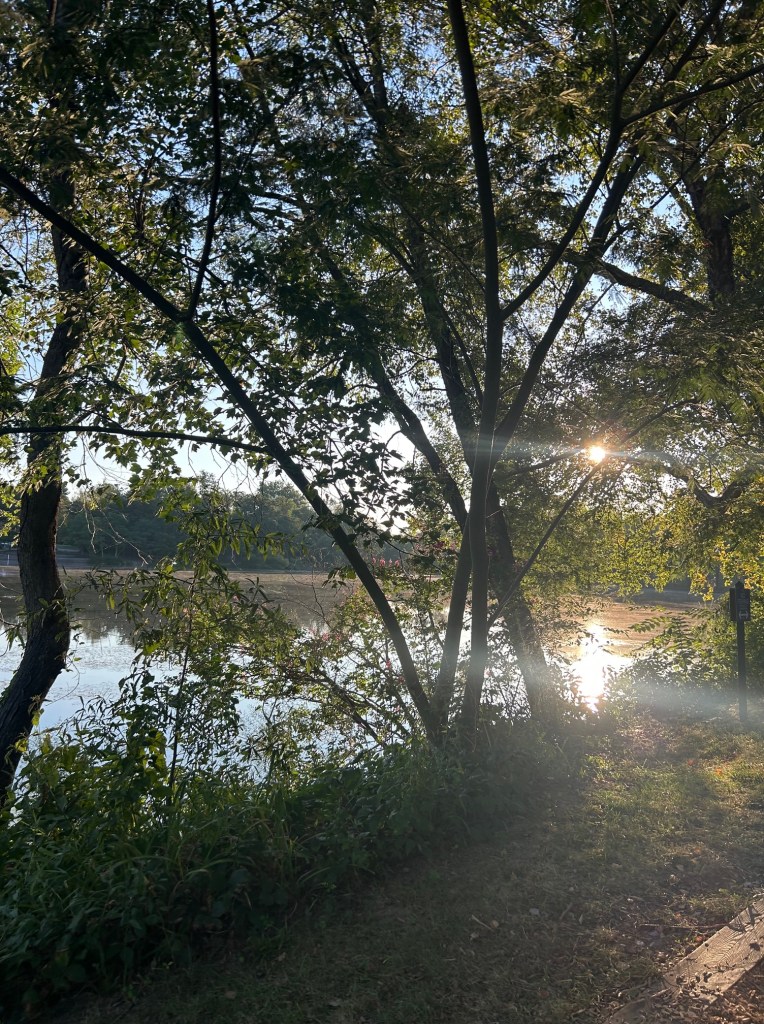
The reality is that few people probably read that vulnerable post compared to the exposure I felt from sharing family stories and personal struggles. Yet this is work I imagine David Cross understood—showing up authentically, building relationships one interaction at a time, trusting that steady presence creates lasting impact, even when the world might not recognize your worth.
Because worth was never theirs to determine. If this work reaches one person and makes their life a little lighter—whether I know it or not—that is the work that matters.
Finding My Voice Through Writing
I never thought of myself as a “good student,” let alone a writer. That wasn’t my role in my family—I was given the freedom to tap into being “creative.” Now I’m embracing writing as a way to share my voice, something I’ve developed through theater, through listening to family stories, through work experiences that taught me how people connect across difference.
This is what I love most about the work we’re building with Frank & Ethel’s: we’re creating trails for those who, like us, are finding their way forward. It’s a gift I witnessed from both my parents—this belief that stories matter, that preservation matters, that every person’s journey contributes to our collective understanding.
For those of us in the “murky middle” I described last week, each week isn’t a straight path forward. We have setbacks, as all those who walked before us did. Every person we share space with speaks to this sense of legacy and possibility.
Planting Seeds Despite the Fear
I’m blessed by the knowledge that while we figure out our footing with all our work at Frank & Ethel’s, we’re planting seeds with potential to create new paths for others beyond ourselves. A future where our son isn’t just playing shop owner—he actually is one. And it’s a shop he’s proud to pass on to his community because it’s a place where love and discovery are reborn with each connection made.

This past weekend at Hershey Park, watching my son experience joy without adult complications, I was reminded of what we’re building toward. That open-hearted engagement with the world, where difference sparks curiosity rather than judgment, where connection feels like play because it comes from genuine interest in others’ stories.
Both of my distant grandfathers built individual lives that lasted nearly a century each, creating family and legacy under seemingly impossible circumstances. Their future great-great-great-granddaughter now runs a business dedicated to helping people create homes that reflect their authentic selves—spaces where stories can be preserved and shared across generations and a welcome space where all can find comfort in the messy discomfort of living with others.
The Work Continues
At Hershey Park, the crowd was diverse, the food was perfectly indulgent, the memories priceless. This end-of-summer adventure reminded me that despite this week’s struggle—deep grief, missed opportunities, and confusion—we’re building something meaningful. The Culture of Home work, the Culture Lab experiences we’re developing, our upcoming virtual scavenger hunt—all of this grows from the same belief that guided my ancestors.
Where they built trust through decades of faithful presence, we’re building trust through vulnerable storytelling and genuine connection. Where they created family legacy through perseverance, we’re creating business legacy while wrestling honestly with the complexities of honoring the past and living in “unprecedented” times.
This is the work that matters: examining our assumptions about others, processing our transitions with wisdom from those who came before us, and creating spaces where authenticity forms the foundation for everything meaningful we’re building together.
My ancestors’ legacies show us that transformation is possible, that dignity cannot be owned or determined by anyone else—only by the daily work of who you choose to be. Their story reminds me that my current discomfort with visibility and vulnerability is part of transitioning from one way of being to another.
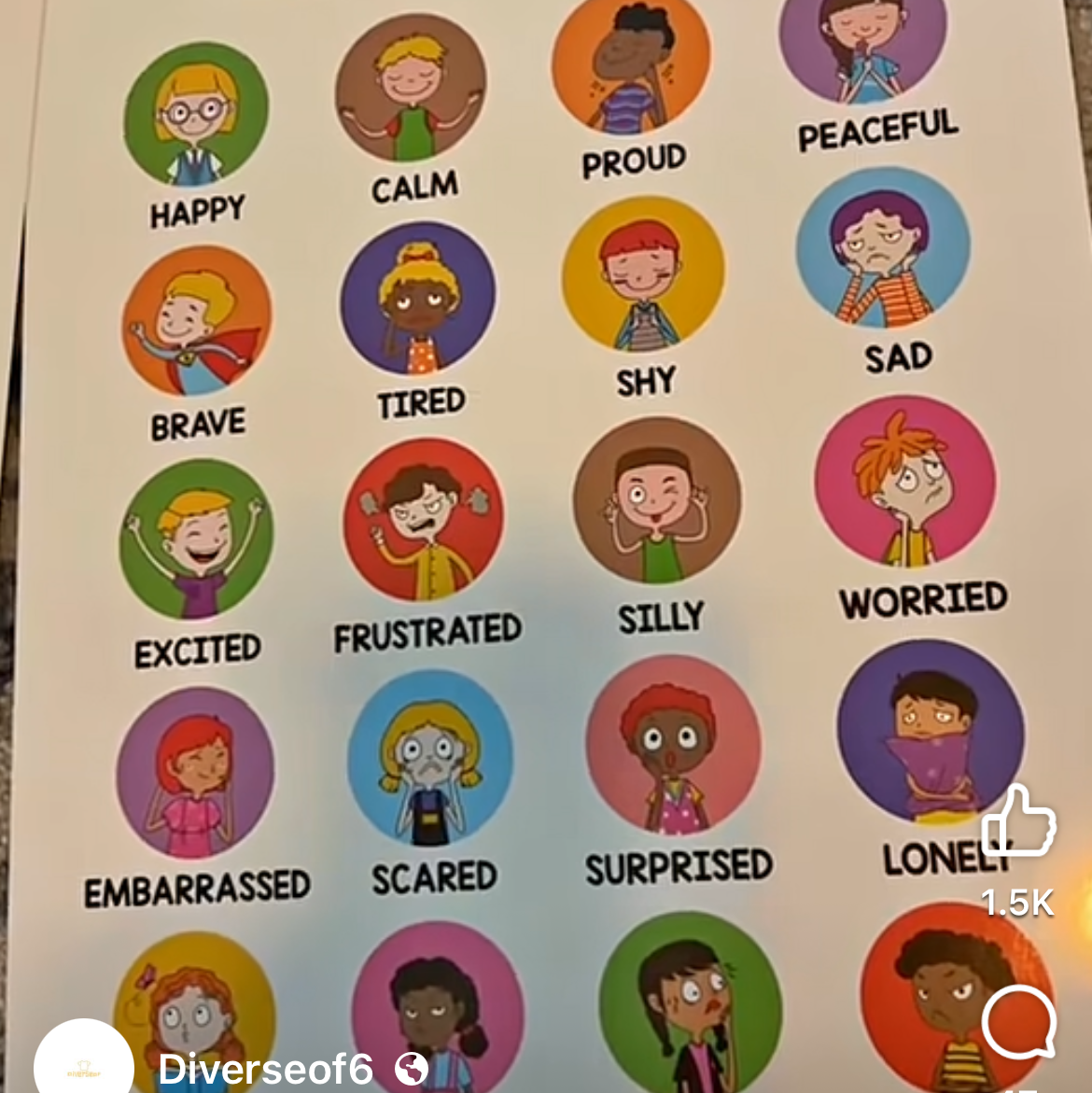
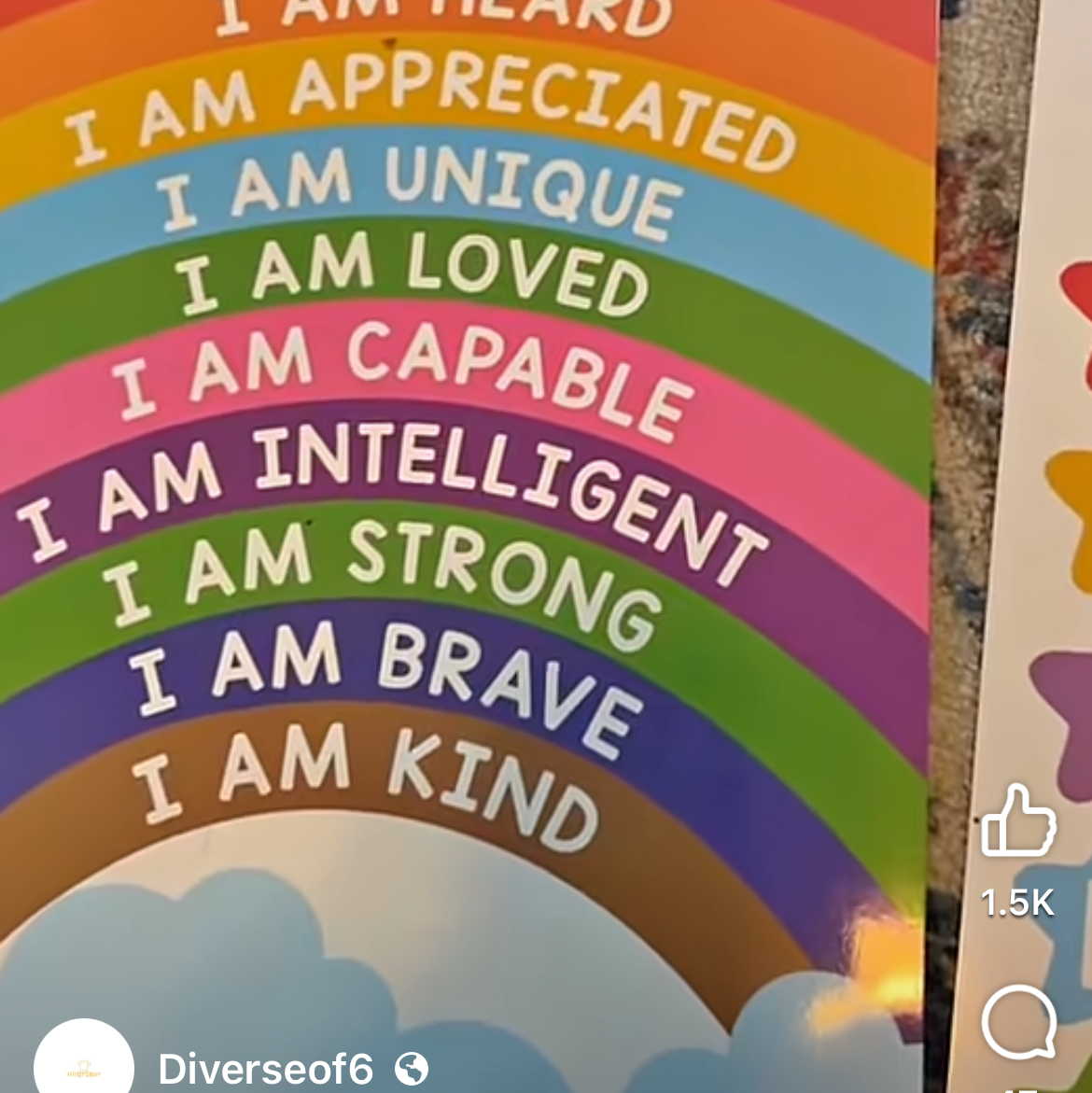
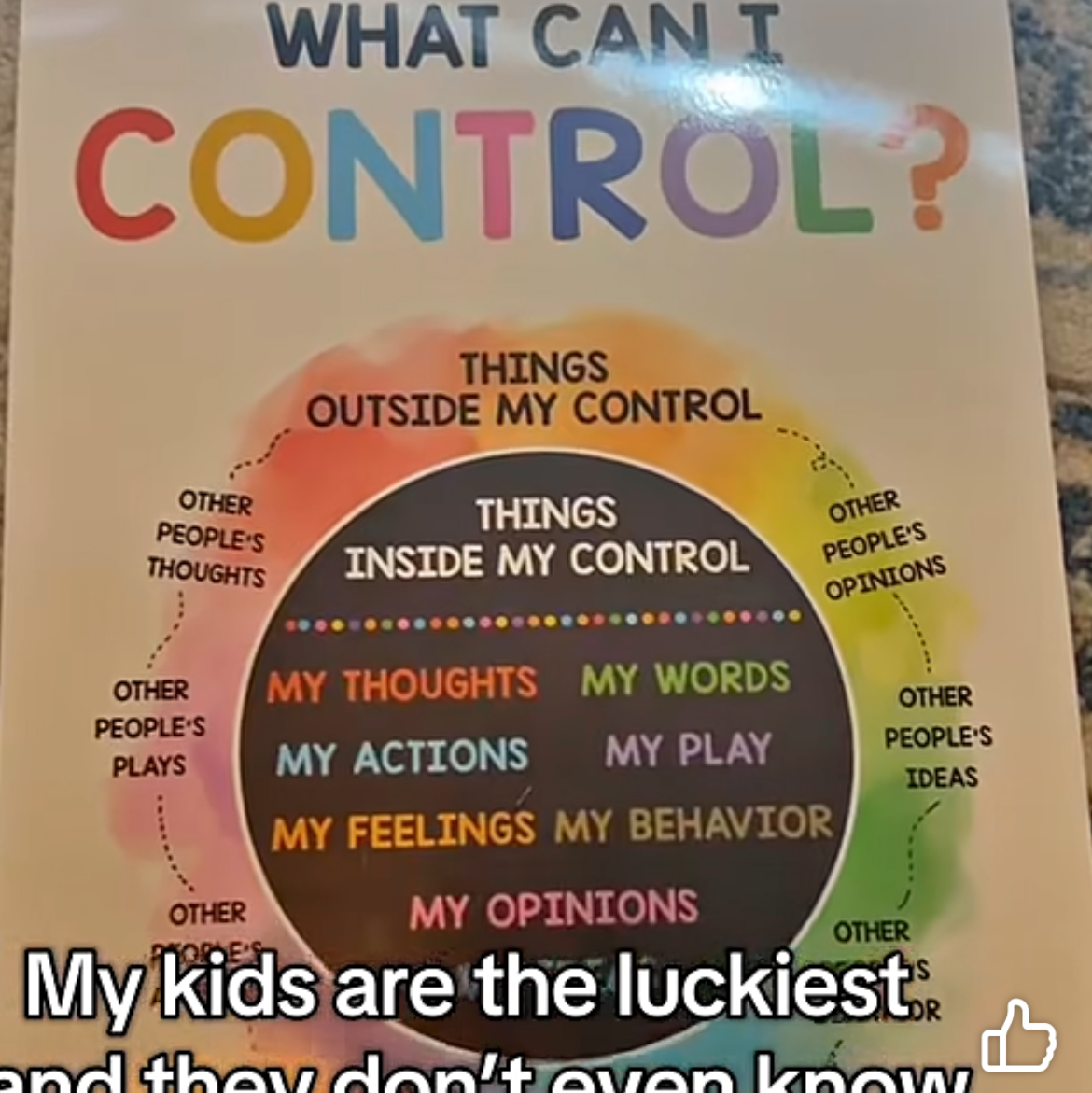
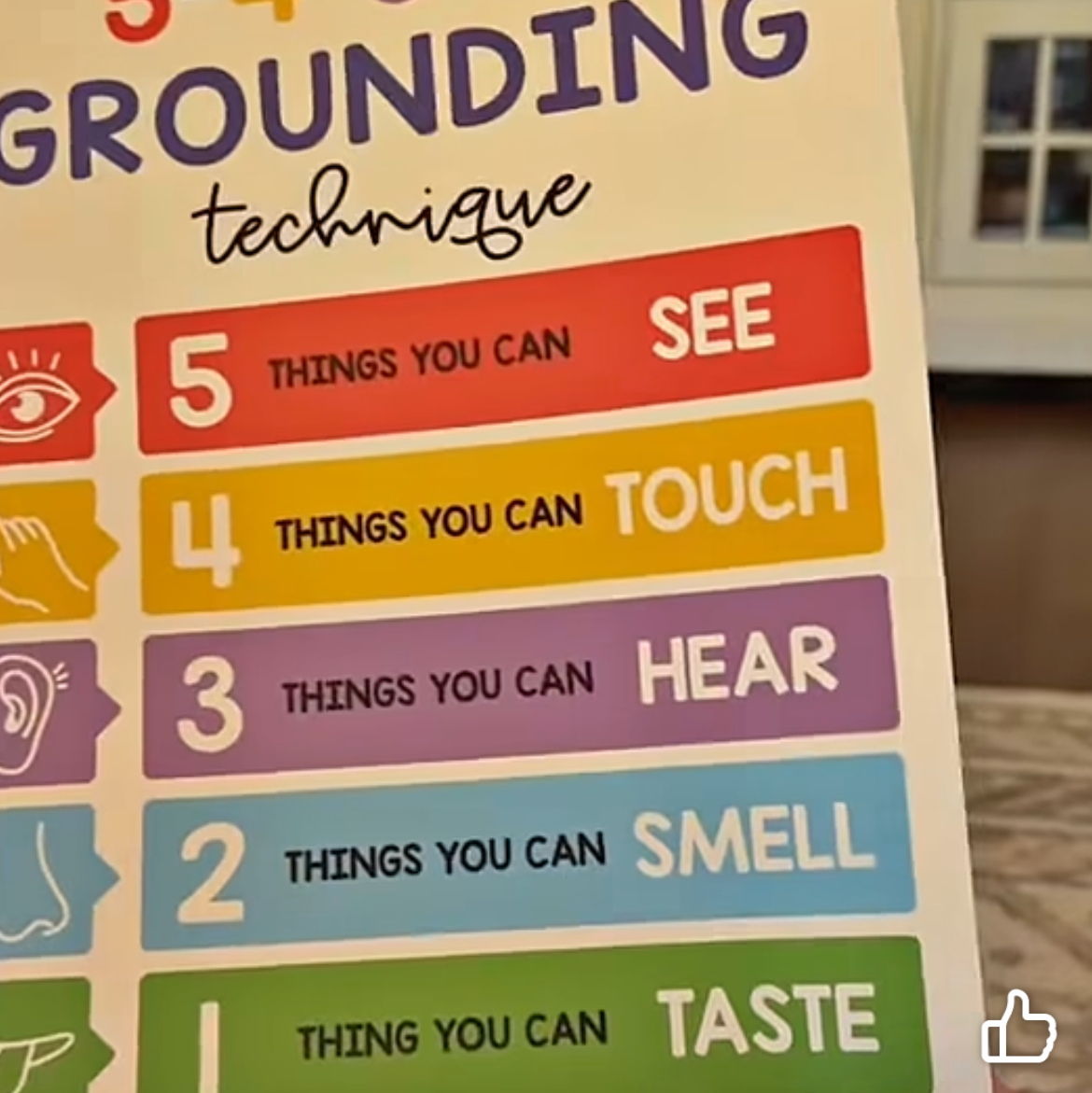
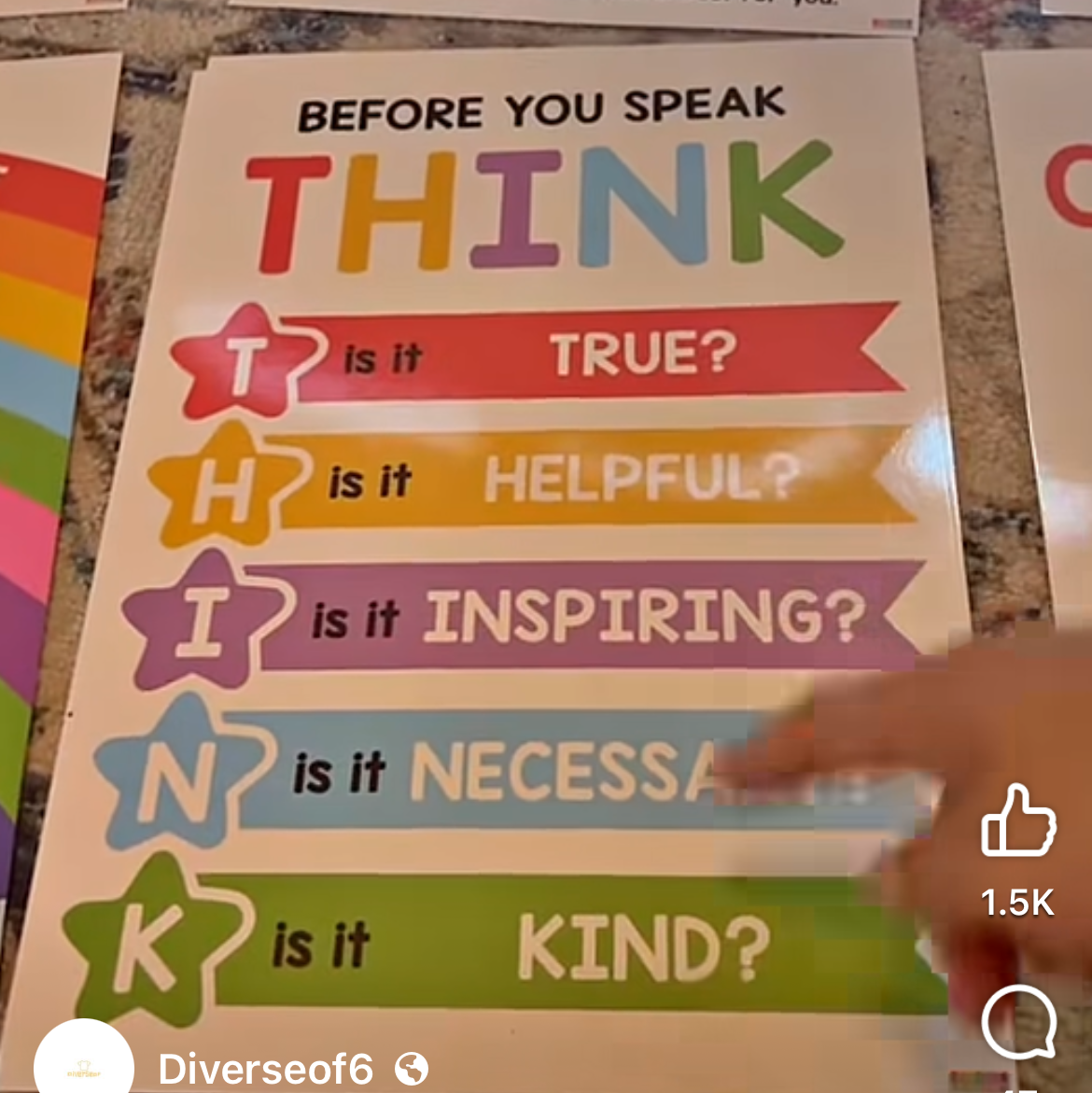
The being remains constant: present, daily, self-reflective, humble. Making space for those who don’t feel seen, using my skills to help create clarity, belonging, and relief for others in the messy middle of building homes, communities, and lives that bring comfort and meaningful connection.
I don’t have all the answers. I know I have work to do on judging and discrediting those who use titles and labels to hold power—and worse, who are blind to how their valuing of certain roles creates dynamics that often result in people feeling bullied and belittled.


We all have our backgrounds. I too need to give grace and am part of the problem when I critique in ways that create negative and ungenerous responses. That’s just not who I want to be—I want to be stronger than that, no matter the circumstance.
But my ancestors’ nearly century-long lives suggest that the work isn’t about having all the answers—it’s about showing up consistently, building relationships authentically, and trusting that dignity and legacy are built one small moment at a time.
As our old friend Baloo reminds us, sometimes we need to focus on the “bear necessities”—those simple, essential things that keep us grounded while we navigate the complex work of being human together.
What stories are you wrestling with sharing? How do we honor our ancestors’ resilience while acknowledging the ongoing work of justice and healing? The path forward isn’t always clear, but David Cross’s life suggests that dignity, authenticity, and steady presence create foundations that last generations.

Leave a comment