Building Community in an Age of Division: Small Moments, Big Impact

When my young family moved from Baltimore to my hometown in Howard County, Maryland, I began to notice something remarkable about the different rhythms of these two places. Baltimore certainly was a more on-edge lived experience—from the conditions of the roads to the need to play harder just to get by. The pace was different, the alertness required was different. Yet in both neighborhoods, I’ve had the privilege of not feeling impending harm or violence in my daily life.
Now I live in Howard County, where Columbia ranked #8 on the list of 2024 Safest Cities in America and Howard County consistently ranks among the top counties in Maryland and the entire United States for overall health and safety. While these rankings speak to measurable factors like crime rates, emergency response times, and community resources, I’ve come to understand that my sense of safety—wherever I’ve lived—has perhaps more to do with how I choose to see the world around me.
I move through life seeing all people as humans living just as I am, carrying their own stories, struggles, and hopes. The grace I extend—and have been fortunate enough to receive—has allowed me to live in a world where I know harm exists all around me, yet I still choose to see the sun and flowers, to look for the light in every interaction. This isn’t naivety; it’s a deliberate choice to lead with curiosity rather than suspicion, with hope rather than fear.
What do we do about cultures of violence? I don’t live in a world that feels violent day-to-day, but I recognize this is my privilege. We are a global community, yet we’re all intimately connected through small spheres of life shaped by our values, traditions, and perceptions of what represents threat and safety, love and family.
I’ve been wondering: What if the solution to our largest problems lies in our smallest interactions?
I walk through my days aware that at any moment, someone could become armed and dangerous, potentially ending my life or the life of someone dear to me. While I choose to see the good in people and move through the world with hope, my years working in retail taught me that we all have many faces, and you truly can’t judge a book by its cover—nor can you judge it by how it begins.
I’ve encountered shocking examples of humanity from people who, in their own circles, are probably considered good people. Some of the most soft-spoken, seemingly gentle people can be terrifying in their capacity for harm. During times of great trauma, tragedy, or weakness of spirit, any of us can become our best or worst selves. I’m still learning about this complexity of human nature, and it humbles me.
Yet I wonder: How often do we encounter someone during their worst moments and use that as an example to judge an entire group of people—or at minimum, that person who may still be carrying unresolved trauma? I’d be lying if I said I don’t do this sometimes. I’ve looked at people and thought, “Yep, that fits the stereotype.” I hold no group immune from this judgment—every community has individuals who disappoint. We’re human. We deteriorate when we’re not cared for and when we don’t care for ourselves.
What does care look like? How can we reach mutual respect when these basic relationship functions feel so confusing? I get it wrong frequently. That’s the only way to get things right—try, try again. What I’m discovering is that care often starts with the simple act of noticing.
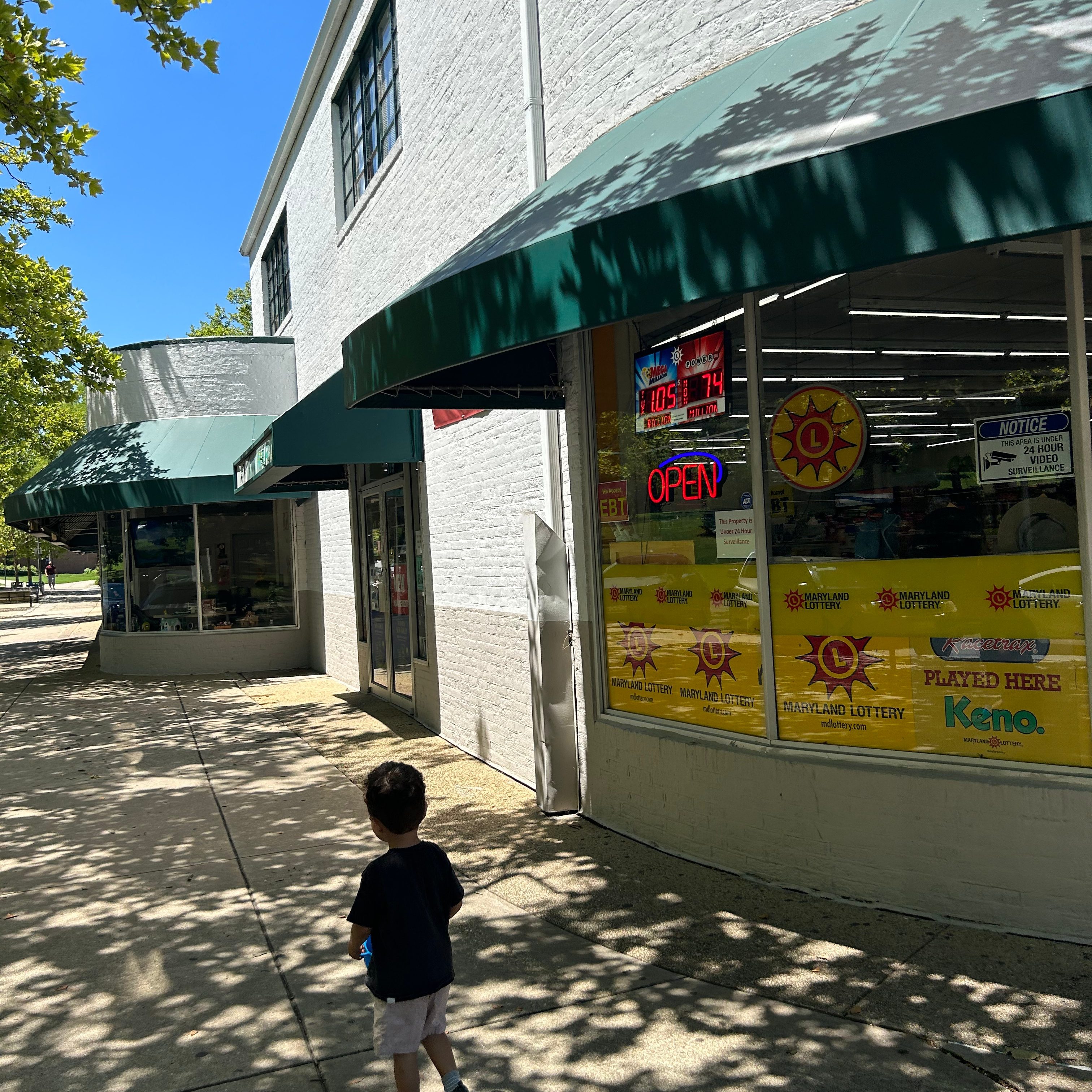

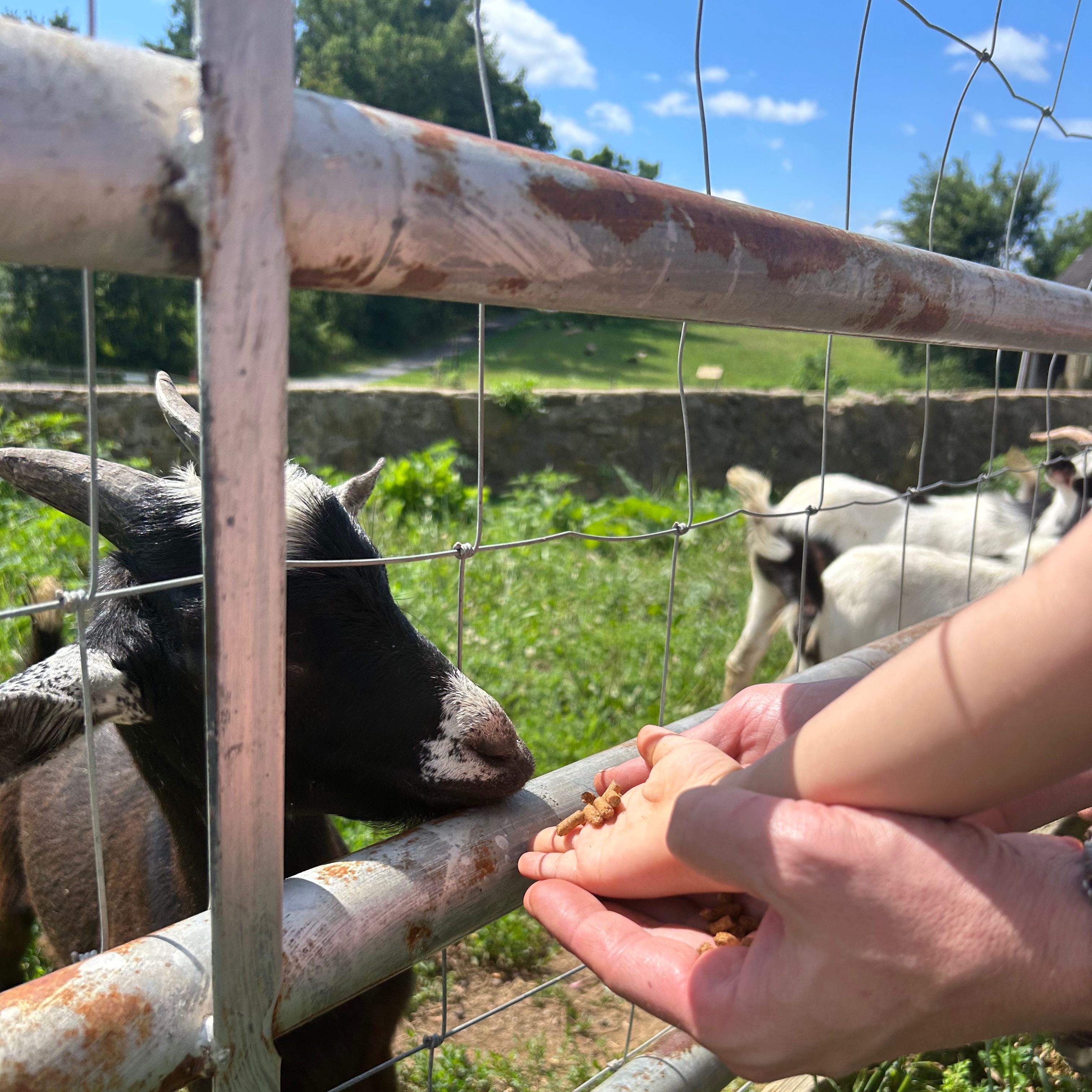
Finding Grace in Everyday Encounters
This is why I treasure the everyday encounters I have regularly in Howard County, Maryland. I try to live with present appreciation for the wonder that surrounds me daily. I look up and notice those around me—people of all ages and backgrounds, familiar faces and strangers—and the world truly becomes a beautiful place filled with people carrying stories worth knowing.
As I finished Christmas shopping on Christmas Eve this past year, I waited patiently for someone to pass by my car. When she noticed me waiting, she placed her hand on her heart and said, “Thank you for waiting.” She apologized for taking her time, and I assured her she’d done nothing wrong. She remarked about how gorgeous the day was, and we both said something about it being “a day to linger.”
“Linger.” We’re often not allowed to do so. This stranger and I shared an understanding and appreciation for the weather, for being outside, for taking time. Though brief, this is what happens when I allow myself to slow down, when I see someone walking and patiently wait. I live in a neighborhood where people notice such gestures. This isn’t commonplace everywhere, and when I travel, I recognize how rare and precious this gift of mutual consideration is.
When we live in environments where we’re open to seeing all people—regardless of age, background, or familiarity—and approach life with shared grace and patience, what might happen to the world that feels so violent? What is it about the culture here in Howard County that allows for such rich experiences of grace? Who gets to experience it and who doesn’t? How might we inadvertently contribute to others’ experiences of hostility?
Have you ever let a door slam on someone or walked through a door without acknowledging the person who held it open? We’re human—it happens—but to whom does it happen most often? What I’m learning is that these small moments of connection or disconnection ripple outward in ways we rarely consider.
Just like those tiny ants in my kitchen that I mentioned in this week’s newsletter—they seem insignificant individually, but their collective impact can throw off my entire sense of balance. Our individual moments of grace or dismissal might seem small, but they create the cultural atmosphere that shapes how safe and welcome people feel in our communities.
What If We Tracked Kindness Like Carbon?
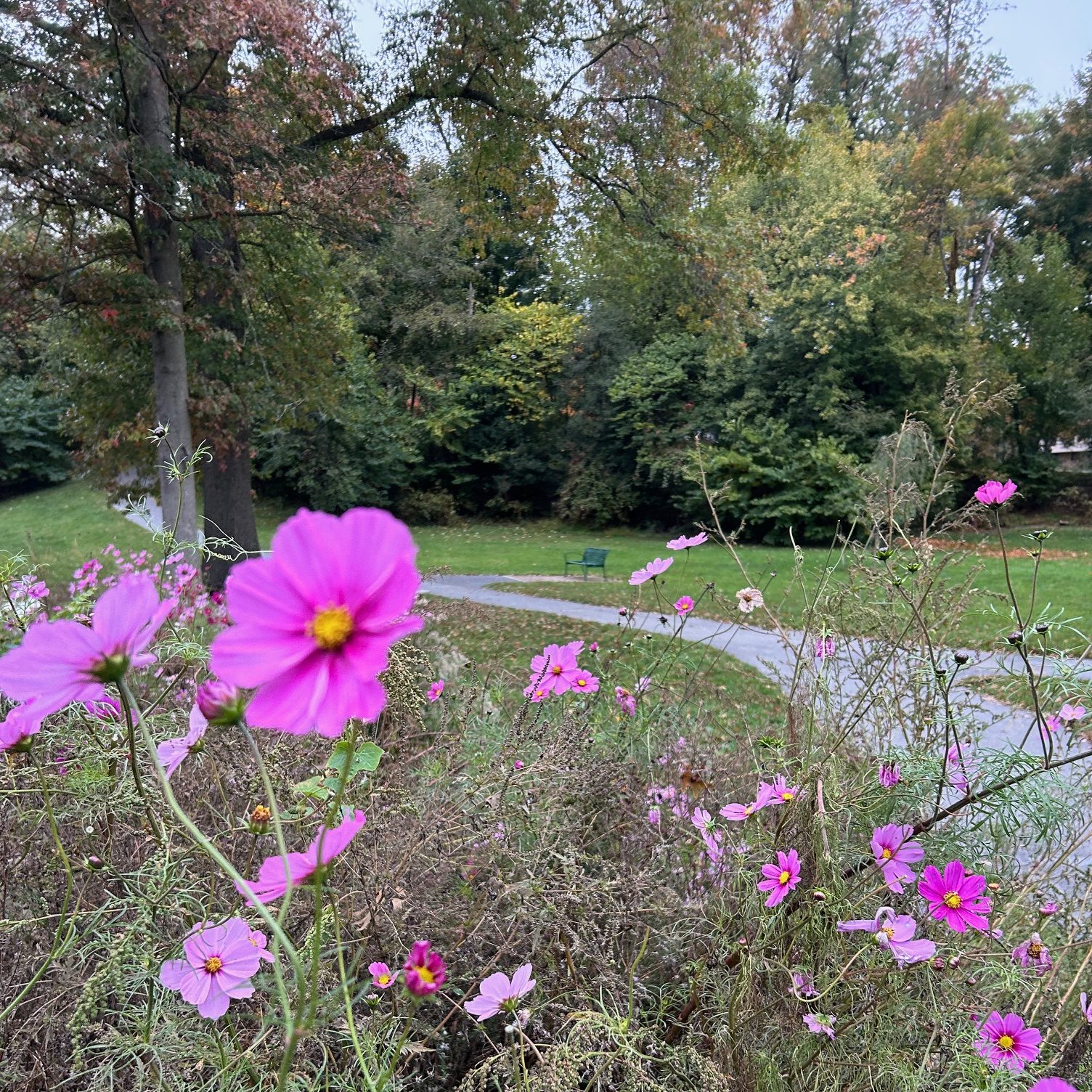
I’m not naive about the troubles we face as a society. This messy middle ground is exactly where the real work happens. How do we help people slow down and see each other again? If more people felt truly seen and fewer felt slighted, could this help reduce tension in our communities?
If we can track our environmental impact through carbon production and energy waste, could we also track our impact on societal health and well-being? What if we approached interpersonal kindness with the same intentionality we’re learning to bring to sustainability?
How do we address toxic behavior in communities where we love people who exhibit that behavior? I know this sounds somewhat idealistic and could lead to complex conversations about who determines what’s polite versus what’s a slight. But given our culture of threat and violence, shouldn’t we examine our daily human impact to better understand larger problems?
Whether in your community or neighboring ones, how does avoiding accountability for our interpersonal behavior prevent us from establishing broader, more inclusive understanding of what shared respect looks like with people we don’t know well? Is connection across difference even possible, or are we too divided and comfortable in our separate communities?
What’s wrong with not wanting to be uncomfortable? More importantly, what do we do with the fear that discomfort might become unsafe? I’m still learning how to sit with these questions without needing immediate answers.
The Path Forward
I don’t have all the answers, but I’m excited about creating opportunities for us to examine how we can better understand our feelings of threat, fear, and disdain toward people we don’t know or disagree with. My background in theater has taught me that we’re all constantly performing—communicating through our bodies, actions, reactions, and responses, whether intentional or not. We speak a unique language with our posture, our pace, our willingness to make eye contact or look away.
I know, I know—you might be thinking, “This is asking too much. Life is already draining.” But what if this very thought is part of what’s preventing us from seeing opportunities to revisit the stories we’re telling with the lives we’re living and who it is we’re valuing as we move through our ordinary days?
(And yes, I recognize the irony of getting worked up about people getting worked up—the beautiful, messy paradox of being human, right?)
What if we started examining when we exhibit feelings of disgust, disdain, or annoyance at someone’s ignorance or behavior? When are we feeling slights? What stories are we telling ourselves about why someone deserves our irritation? This kind of curiosity about our own reactions—rather than focusing solely on the person who triggers us—might be where the real work begins.
I’m far from perfect—I’m a work in progress who has caused trauma and fear through years of living with my own unacknowledged triggers and emotionally immature reactions. We all have them. That’s the complex beauty of life: when your blood is rushing through your body, you know you’re alive. When you haven’t had enough sleep or eaten well and are quick to snap, you’re beautifully, imperfectly human.
What’s our relationship with this energy? When we feel rage, love, passion, insecurity, or superiority, this energy has ripple effects that often land on those we have little responsibility toward or, worse, those over whom we hold power. What are these ripple effects? How can we foster a culture that addresses all forms of violence at their roots?
The work of building community requires us to slow down, see each other clearly, and take responsibility for the energy we bring into every interaction. It’s messy, imperfect work, but it’s the work that matters most—and it’s work that happens in the small, daily moments when we choose to linger, to wait, to see.
What I’m discovering is that every home has a story about how connection happens within its walls. Every person—regardless of age or stage of life—carries wisdom about what it means to be seen and valued. Every family deserves spaces where these stories can be shared naturally, where the wisdom of those who have lived much meets the fresh perspective of those who are just beginning to understand the world, where we can practice the art of seeing each other clearly.
If you’re curious about how your own home might be a place where this kind of connection already happens—or could happen more intentionally—I’d love to continue this conversation. Through my work helping families preserve their stories and create spaces that honor all generations, I’ve learned that the foundation of healthy community often begins with how we treat each other in the most ordinary moments, in the most familiar spaces.
The path forward isn’t about perfection—it’s about practice. It’s about creating cultures of home and community where every person’s story matters, where we can hold both the wisdom of those who have lived lives well lived and the fresh insights of those who are just beginning to understand the world as equally valuable, equally meaningful, equally deserving of respect.
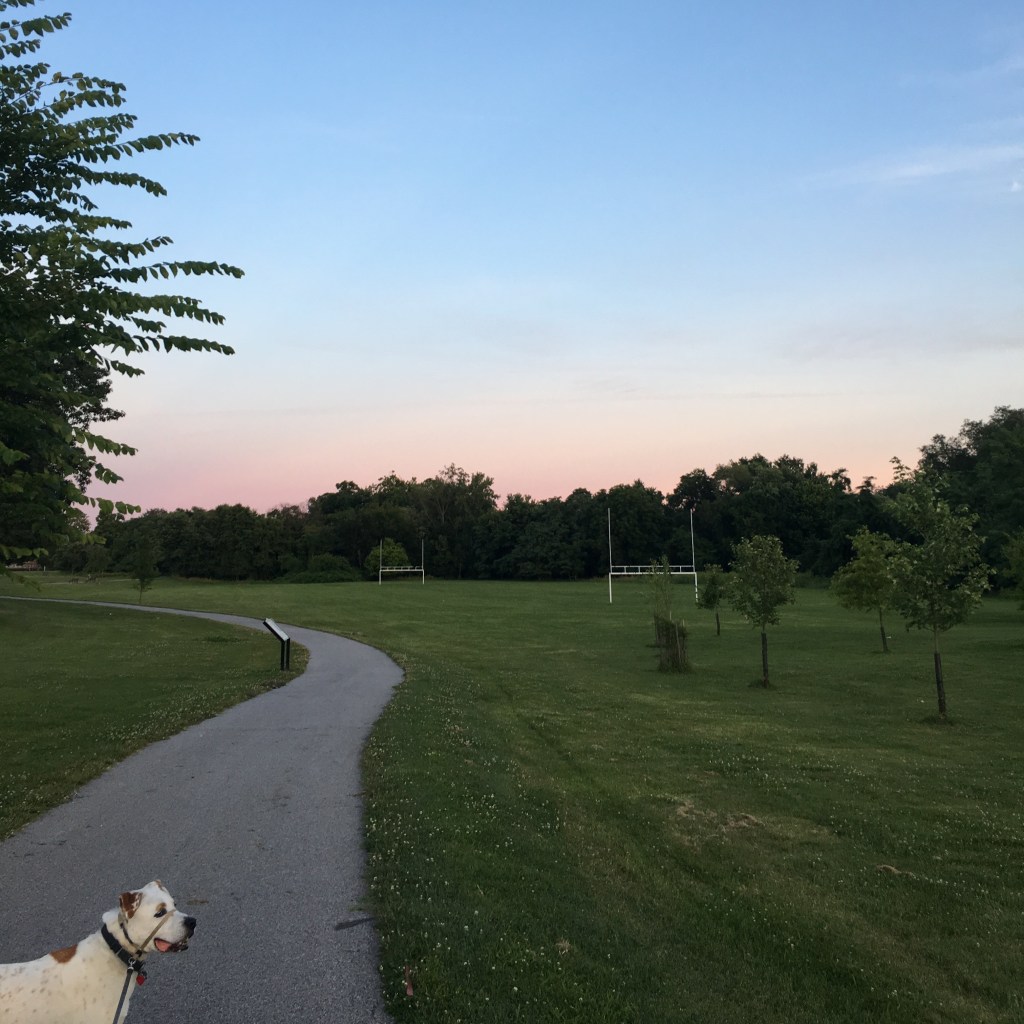
What small shift might you make today? How might your own family’s spaces and stories become foundations for building the kind of community connection we’re all longing for?
Ready to explore how your family’s spaces and stories can become foundations for community connection? Subscribe to our newsletter at frankandethels.com to follow our journey of building Frank & Ethel’s—where we’re creating community through story preservation, creative learning spaces for children, sustainable living, and inter-generational connection. Or reach out if you’re interested in our Culture of Home workshops, Culture Lab programs, or joining our growing community of families who believe every story matters.
Together, we can practice the art of seeing each other clearly, one small shift at a time.
I’d love to hear your thoughts about this piece and your own experiences of building connection in the comments below.

Leave a comment